
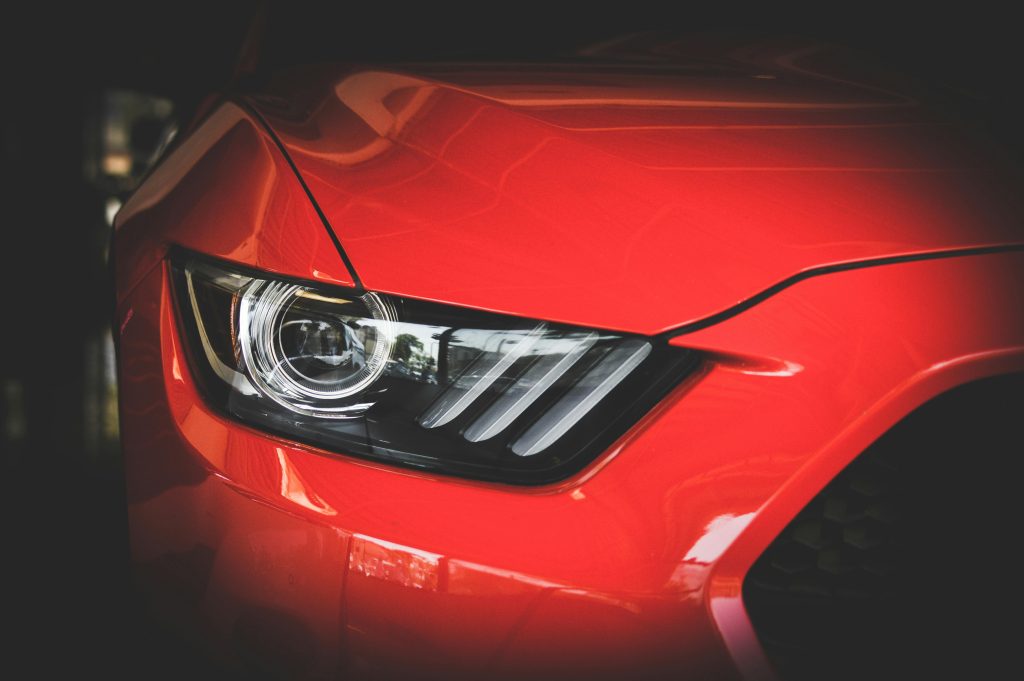
Headlights are one of the most important safety features of your vehicle. They not only help you see the road ahead during the night but also make your car visible to other drivers, especially in low-light conditions such as fog, rain, or snow. However, despite their importance, many drivers neglect proper headlight maintenance, leading to reduced visibility and a higher risk of accidents.
In this article, we’ll explore why maintaining your headlights is critical for road safety and provide tips for ensuring your headlights are always in optimal condition.
1. Headlights Enhance Visibility
A. Clearer Vision on Dark Roads
Driving at night or in dimly lit conditions can be challenging, even for experienced drivers. Headlights are designed to illuminate the road ahead, enabling you to spot hazards, obstacles, and road signs from a safe distance. Worn-out, foggy, or misaligned headlights can drastically reduce the effectiveness of this critical function, making it harder to navigate and increasing the likelihood of accidents.
- Benefit: Properly maintained headlights provide brighter, more focused light, ensuring better visibility on poorly lit roads or when driving at night.
B. Spotting Hazards Early
Whether it’s a pothole, an animal crossing the road, or another vehicle breaking down, being able to spot hazards in advance is key to avoiding accidents. Well-maintained headlights allow you to notice obstacles sooner and react in time to prevent collisions.
- Benefit: Clear headlights enable you to detect hazards early, allowing you to take necessary precautions, like braking or swerving, to avoid accidents.
2. Headlights Improve Your Vehicle’s Visibility to Other Drivers
A. Increasing Your Visibility
Not only do headlights help you see, but they also make your vehicle visible to other drivers. This is especially crucial in low-light conditions or inclement weather, such as fog or rain, when visibility is reduced for all road users. Headlights that are dim, dirty, or out of alignment can make it more difficult for other drivers to see your vehicle, increasing the risk of accidents.
B. Preventing Rear-End Collisions
When driving in traffic, it’s important that other vehicles are aware of your presence, especially in low-visibility situations. Properly functioning headlights (and tail lights) make it easier for drivers behind you to gauge your position and avoid rear-end collisions.
- Benefit: Well-maintained headlights ensure your car is visible to other drivers, improving overall road safety and reducing the risk of accidents.
3. Headlights Prevent Driver Fatigue and Discomfort
A. Bright, Even Lighting Reduces Eye Strain
Driving with poorly-maintained headlights, such as those that are fogged or misaligned, can cause eye strain. This occurs because the light is scattered or dim, making it difficult for your eyes to focus. Over time, this strain can lead to fatigue, reducing your ability to concentrate on the road and increasing the risk of accidents.
- Benefit: Properly maintained headlights provide a clear, even beam of light, reducing eye strain and improving driving comfort, especially during long journeys.
B. Preventing Glare for Other Drivers
Headlights that are improperly aimed can cause glare for other drivers, which can lead to temporary blindness or confusion. This is particularly dangerous when driving at night. By ensuring your headlights are aligned correctly and free of debris, you contribute to a safer driving environment for everyone on the road.
- Benefit: Properly aligned headlights minimize glare for other drivers, enhancing overall road safety.
4. Maintaining Headlights Extends Their Lifespan
A. Preventing Premature Bulb Burnout
Regular maintenance helps identify potential issues, such as a faulty connection or a degraded bulb, before they lead to complete failure. By cleaning and inspecting your headlights, you can ensure the bulbs last longer, which saves you money on frequent replacements.
- Benefit: Maintaining your headlights prevents premature bulb burnout, extending the lifespan of your lighting system.
B. Preventing Lens Damage
Over time, headlights can become cloudy or yellow due to exposure to UV rays, road debris, and weather conditions. This can reduce the intensity of the light and impair visibility. Regular cleaning and headlight restoration can help prevent this issue and keep the lens in good condition.
- Benefit: Regular cleaning and restoration prevent lens damage, maintaining the effectiveness of your headlights for a longer period.
5. Headlight Maintenance Improves Compliance with Traffic Laws
A. Adhering to Regulations
In many countries, having fully functioning headlights is a legal requirement. Driving with faulty headlights or failing to turn them on at the appropriate time could result in fines or penalties. Additionally, in some regions, headlights must be replaced if they are cracked, fogged, or have other damage that impairs visibility.
- Benefit: Regular headlight maintenance ensures that your vehicle complies with traffic laws, helping you avoid legal issues and fines.
B. Passing Vehicle Inspections
When your vehicle undergoes periodic safety inspections, the headlights are typically checked to ensure they are working properly. Failing this inspection could prevent your car from passing, potentially delaying registration or resulting in additional repair costs.
- Benefit: Maintaining your headlights ensures your vehicle passes safety inspections and stays roadworthy.
6. How to Maintain Your Headlights for Optimal Safety
A. Regular Cleaning
Dirt, grime, and road salt can accumulate on your headlights, making them less effective. Use a soft cloth or sponge to clean your headlights regularly. You can also use specialized headlight cleaning products or make a DIY cleaner using baking soda and water.
B. Restoring Cloudy or Yellowed Headlights
If your headlights are cloudy or yellowed, they can be restored using headlight restoration kits available at most auto stores. These kits typically include a polishing compound and a protective coating to remove the oxidation and restore the clear appearance of your headlights.
C. Checking Alignment
Misaligned headlights can reduce your visibility and cause glare for other drivers. You can check the alignment yourself by parking your car in front of a wall and checking the beam pattern, or you can take it to a professional mechanic for adjustment.
D. Replacing Damaged Bulbs
If one of your headlights is out, it’s crucial to replace the bulb as soon as possible. Driving with only one headlight is not only illegal in some areas but also a safety hazard. Keep spare bulbs on hand to quickly replace any damaged ones.
E. Inspecting Electrical Connections
Occasionally, check the wiring and electrical connections for any signs of wear, corrosion, or loose connections. Faulty connections can cause your headlights to flicker or fail, so it’s important to address these issues promptly.
Conclusion
Headlight maintenance is essential for ensuring your safety and the safety of others on the road. By keeping your headlights clean, properly aligned, and free of damage, you can significantly improve visibility, reduce the risk of accidents, and ensure that your vehicle complies with traffic regulations. Remember that proper headlight care is not just about convenience; it’s a vital part of maintaining your vehicle’s overall safety and roadworthiness.